Key Highlights
- Motor skills grow through repetition, feedback, and challenge, not just activity.
- Free play builds creativity and confidence, but can miss structured progression.
- Gym classes for kids provide deliberate skill scaffolding and safer risk-taking.
- For toddlers, guided movement matters more than long, unstructured sessions.
- A blended approach works best, with structure leading and play reinforcing.
Parents ask a practical question: Should children attend organised movement sessions or simply play freely? The answer matters because early motor skills influence posture, balance, confidence, and learning readiness. Movement is not a nice-to-have; it is foundational. Yet not all movement is equal. This article cuts through the noise to compare structured sessions with unstructured play, focusing on what actually builds motor competence, especially relevant when considering gym classes for kids and gym classes for toddlers in Singapore.
What Motor Skills Really Mean (and Why They Matter)
Motor skills are not a single ability. They combine balance, coordination, strength, agility, spatial awareness, and timing. Fine motor skills support writing and daily tasks; gross motor skills underpin running, jumping, climbing, and posture. Children who master these early moves with ease and confidence. They also listen better, regulate emotions more effectively, and engage more willingly in learning environments. The question is not whether children should move, but how movement is structured to encourage mastery rather than random effort.
The Case for Free Play
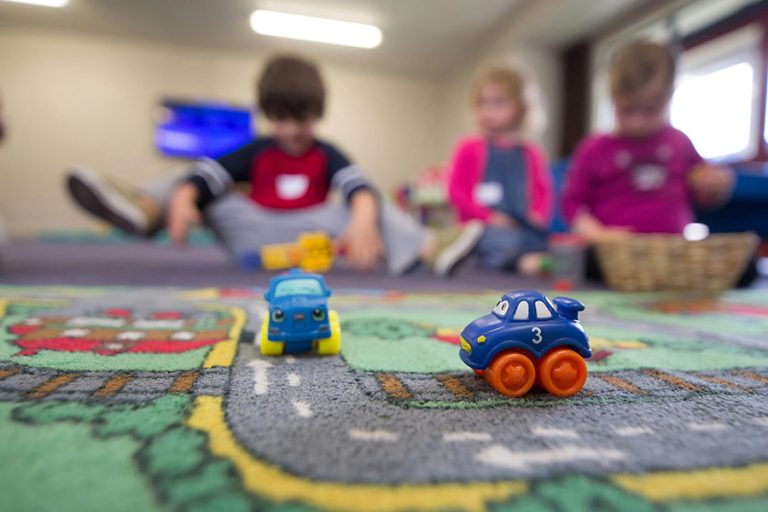
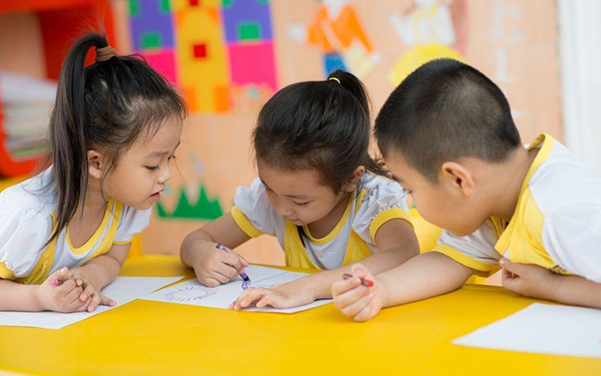
Free play earns praise for good reasons. It invites exploration, imagination, and self-direction. Children negotiate space, invent games, and test ideas without instruction. This autonomy nurtures creativity and social confidence. However, free play depends heavily on the environment and temperament. Some children repeat the same comfortable actions, avoiding movements that feel hard. Others lack feedback to correct the form. Over time, this can limit progress. Free play keeps children active, yet activity alone does not guarantee skill development.
What Structured Gym Classes Offer
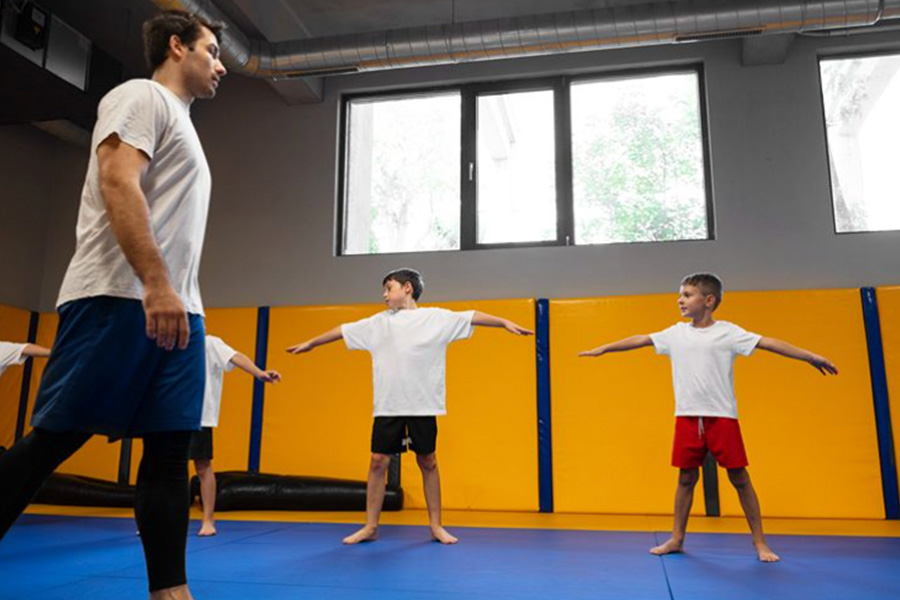
Structured sessions take a different route. They design movement sequences intentionally. In gym classes for kids, instructors break complex actions into manageable steps, cue proper technique, and adjust difficulty. Children practise rolling before tumbling, balancing before jumping, and landing safely before speed increases. This progression matters. It reduces injury risk and accelerates learning. Repetition is purposeful, not monotonous. Feedback is immediate, not accidental. Children learn how to move, not just that they can move.
Why Toddlers Benefit from Guided Movement
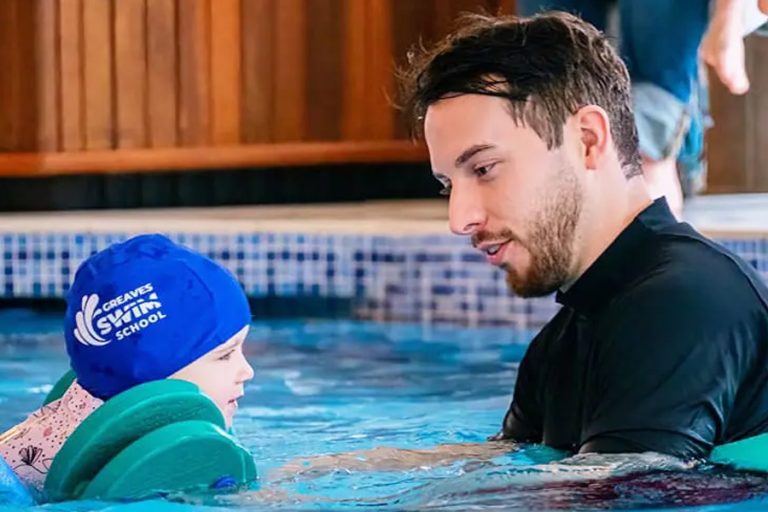
Toddlers are not small adults. Their nervous systems are wiring rapidly. In gym classes for toddlers in Singapore, structured movement supports this window of development. Short, varied activities train balance reactions, bilateral coordination, and body awareness. Guided sessions help toddlers attempt movements they might otherwise avoid. Importantly, instruction at this age is playful and responsive, not rigid. The structure creates safety and confidence, allowing toddlers to explore more boldly within clear boundaries.
Comparing Outcomes: Skill Depth vs Skill Exposure
Free play offers exposure. Structured classes deliver depth. Exposure introduces movement options; depth builds proficiency. Children in organised sessions typically show stronger balance, cleaner coordination, and better control during transitions. They also understand rules around space and safety, which transfers to playgrounds and sports later on. Free play complements this by reinforcing joy and adaptability. On its own, however, it may not challenge children consistently enough to move beyond their comfort zones.
The Blended Approach That Works
The strongest outcomes come from a combination. Structure leads; play reinforces. Children attend guided sessions to learn new skills, then use free play to apply them creatively. Think of it as learning vocabulary before writing stories. Without vocabulary, expression stalls. Without stories, vocabulary lacks life. Families choosing gym classes for kids should still protect time for unstructured movement. The balance keeps motivation high while ensuring steady progress.
Choosing the Right Environment
Not all programmes are equal. Look for sessions that prioritise progression, safety, and engagement. Class sizes should allow observation and feedback. Activities should rotate to maintain interest while revisiting core skills. For younger children, especially toddlers, sessions should be short, varied, and responsive. When evaluating gym classes for toddlers in Singapore, clarity of structure paired with warmth is key. Children thrive when expectations are clear, and encouragement is constant.
If you want movement that builds real skills, not just tired legs, consider a structured start. Contact BearyFun Gym to explore engaging gym classes in Singapore for kids that combine expert guidance with playful energy. Give your child a confident, capable foundation for movement, then let play do the rest.
About the Author