Key Takeaways
- Faith preschools are not limited to religious instruction; they follow structured early childhood frameworks similar to other quality preschools.
- A faith preschool does not exclude families of different beliefs, nor does it force religious practice on children.
- Academic readiness, social skills, and emotional development remain core priorities in a faith preschool setting.
- Faith-based education is often integrated gently, through values and daily interactions rather than formal doctrine.
Introduction
Faith-based early childhood education often carries assumptions that do not reflect what actually happens in classrooms today. These assumptions, for parents exploring a preschool in Katong, especially those considering a faith preschool, can create unnecessary hesitation. In reality, most faith preschools operate within recognised early childhood frameworks, with structured programmes that balance learning outcomes, social development, and values education.
Learn the four common misconceptions about faith preschools and discover what typically takes place during a normal school day.
Misconception 1: Faith Preschools Focus More on Religion Than Learning
A common assumption is that a faith preschool prioritises religious teaching at the expense of academic development. In practice, this is rarely the case. Most faith preschools follow national or internationally recognised early childhood education frameworks, covering literacy, numeracy, motor skills, language development, and social interaction.
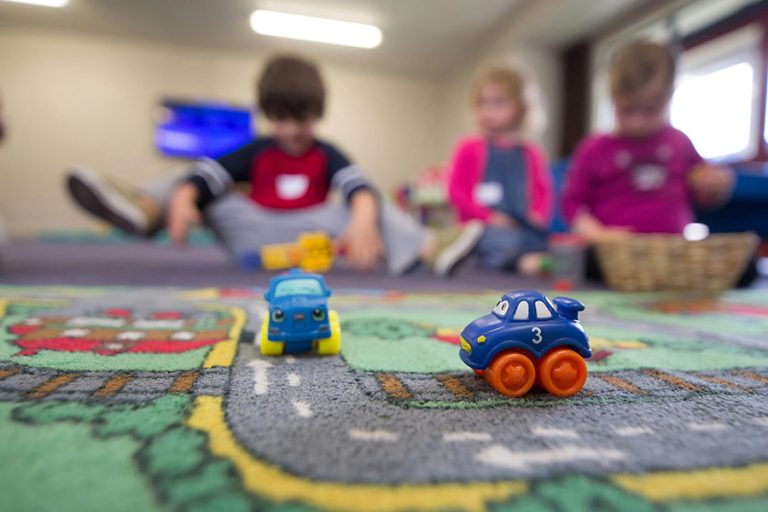
Religious or moral elements are usually embedded subtly, such as through storytelling, discussions about kindness, or cooperative play, rather than formal lessons. Classroom time is still structured around age-appropriate learning goals, hands-on activities, and guided exploration. Children spend the majority of their day engaged in play-based learning, small-group work, and routine classroom activities similar to those found in any reputable preschool in Katong.
Misconception 2: Faith Preschools Are Only for Families of the Same Religion
Another misconception is that faith preschools only accept children from families who share the same beliefs. In reality, many faith preschools welcome families from diverse backgrounds who are aligned with their values, even if they do not practise the same faith.
What matters more is whether parents are comfortable with the school’s approach to values education. Activities that reference faith are usually inclusive and age-appropriate, focusing on universal principles such as respect, honesty, patience, and empathy. Faith preschools, including those in a multicultural area like Katong, often reflect the diversity of the community while maintaining their educational philosophy.
Misconception 3: Faith Preschools Are Less Academically Rigorous
Some parents assume that a faith preschool is less focused on school readiness. This misconception overlooks how early childhood education actually works. Academic rigour at the preschool level is not measured by worksheets or early testing, but by how well a programme builds foundational skills.
Faith preschools typically place strong emphasis on attention span, listening skills, emotional regulation, and classroom routines. These skills directly support a child’s ability to transition smoothly into primary school. Structured literacy exposure, early numeracy concepts, and guided problem-solving are still part of daily classroom activities, especially in established preschools in Katong that cater to school-readiness expectations.
Misconception 4: Children Are Required to Participate in Religious Practices
Parents sometimes worry that children will be required to participate in religious rituals regardless of family preference. However, in most faith preschools, participation is handled sensitively and developmentally. Activities are simplified, optional, and framed in a way that young children can understand without pressure.
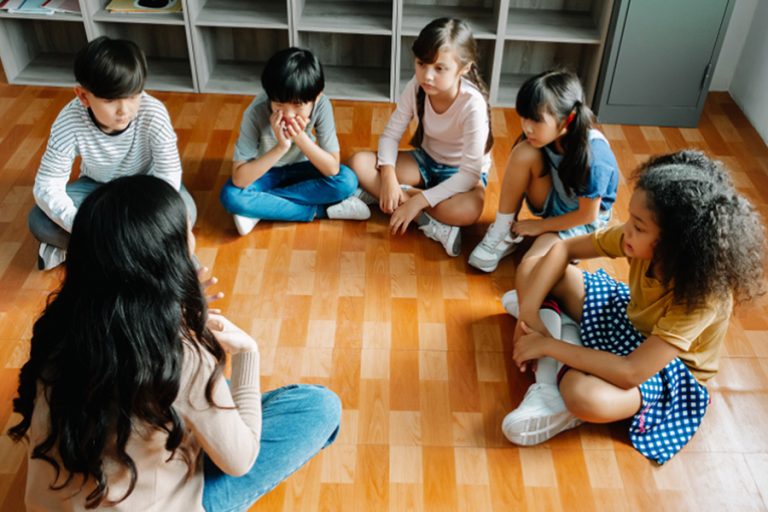
More importantly, classroom time is not dominated by religious practice. The bulk of the day is spent on routines such as circle time, creative play, outdoor activity, language development, and social interaction. What differentiates a faith preschool is not the quantity of religious content, but the values lens through which behaviour, relationships, and daily interactions are guided.
Conclusion
Faith preschools are often misunderstood due to outdated assumptions about their structure and priorities. In reality, a well-run faith preschool functions much like any other quality early childhood centre, with clear learning objectives, professional educators, and structured routines. The key difference lies in how values are integrated into everyday learning, rather than in a heavy focus on religious instruction. A faith preschool can still be a practical and balanced choice for parents who value character development alongside academic foundations.
Reach Little Seeds Preschool to understand how a faith preschool operates in practice.
About the Author